30 Years of Health Leads
Celebrating the people and partnerships building health, well-being, and dignity for every person, in every community.
Thirty years ago, Health Leads began with a simple but radical idea: health is shaped by far more than what happens inside a doctor’s office.
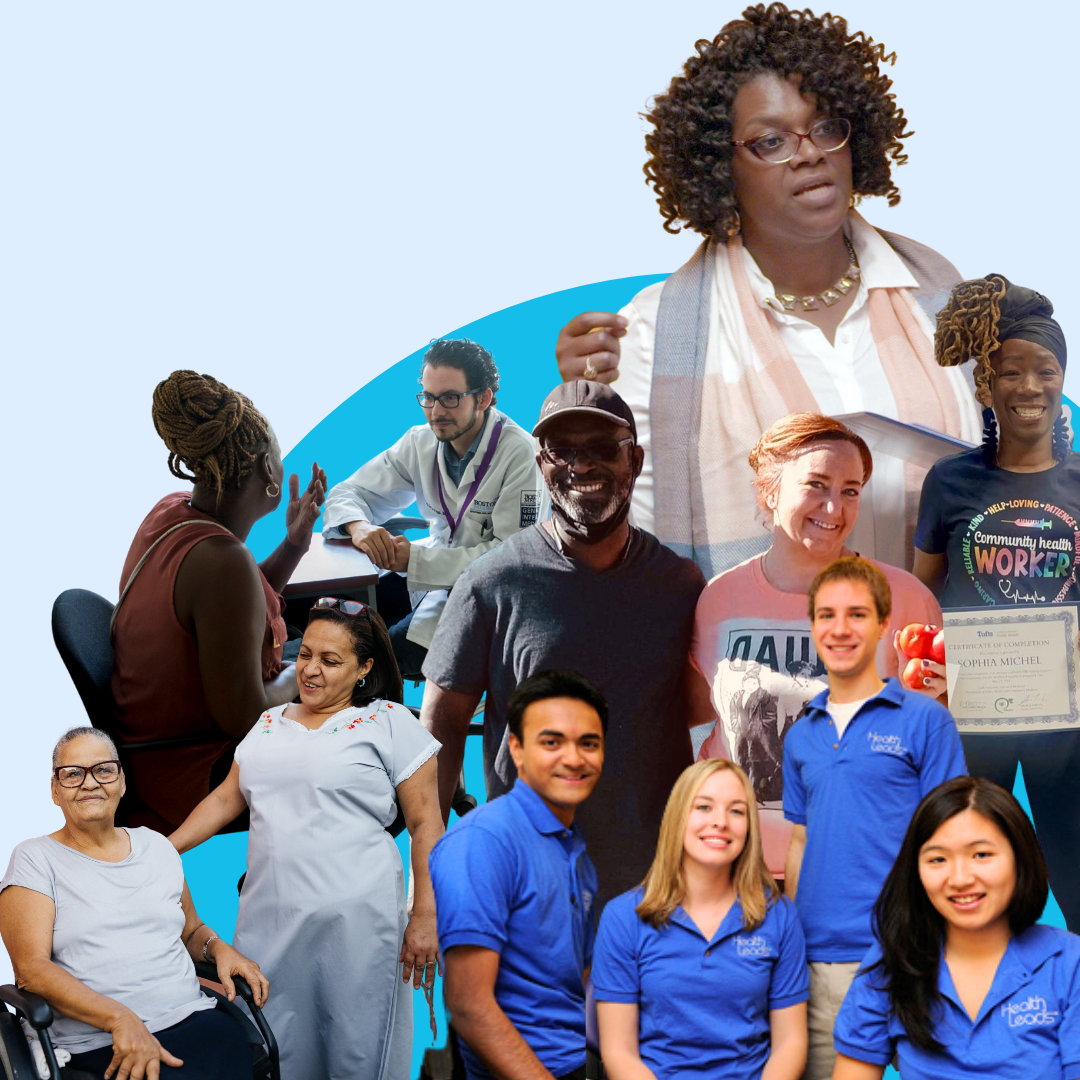
Since then, we’ve worked alongside communities, health systems, caregivers, public health leaders, social service partners, funders, volunteers, and advocates to remove barriers to the resources everyone needs to be healthy.
This year, we’re celebrating the people who made that work possible — and committing to the next 30 years of community-led change.
Our Story: 30 Years of Community-Led Health
From early work connecting families to essential resources, to today’s community-led and co-designed initiatives around the most pressing equity challenges, Health Leads has continued to evolve with the communities and partners we serve. Scroll through our journey to this moment and meet our supporters along the way.
A prescription for food
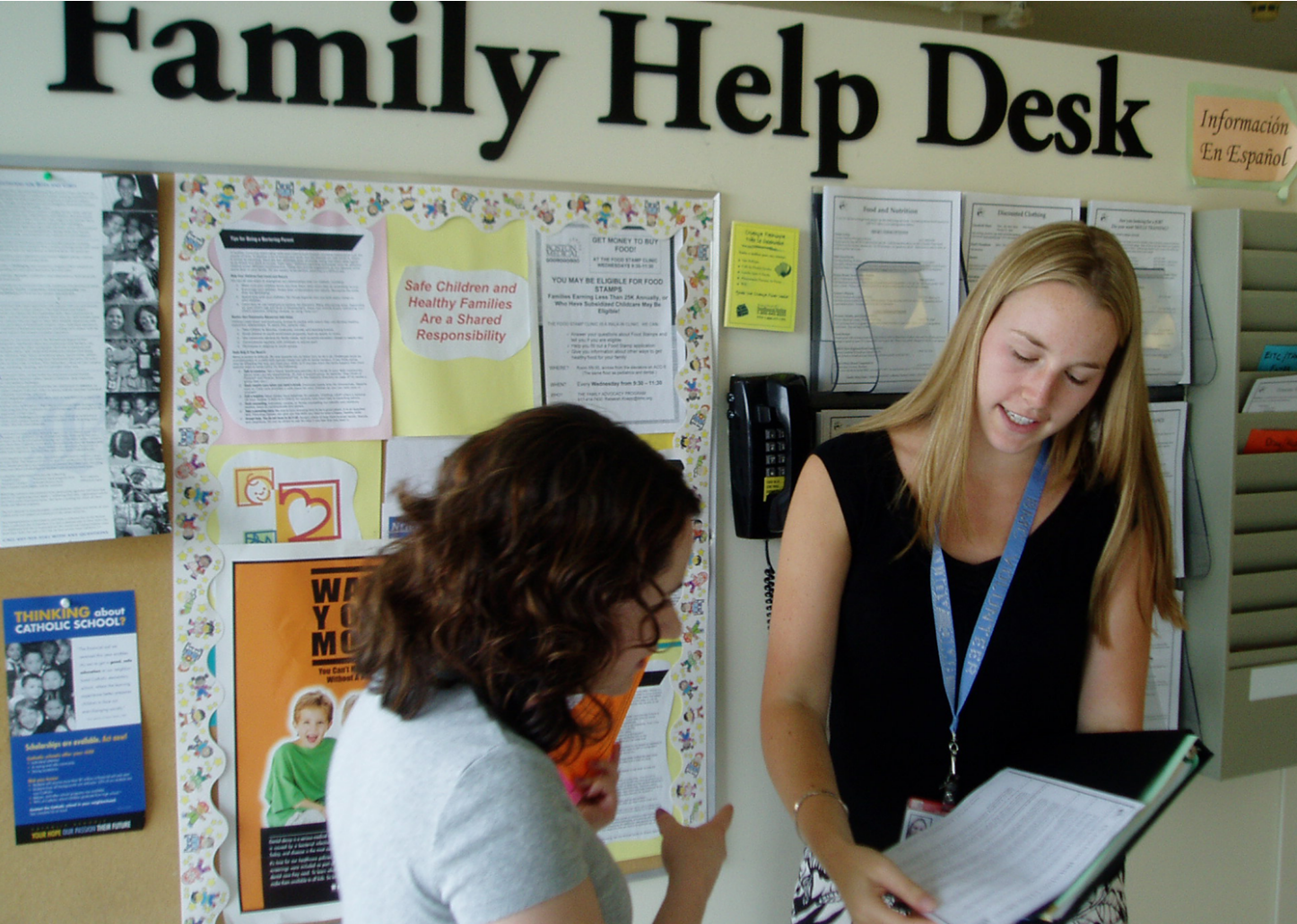
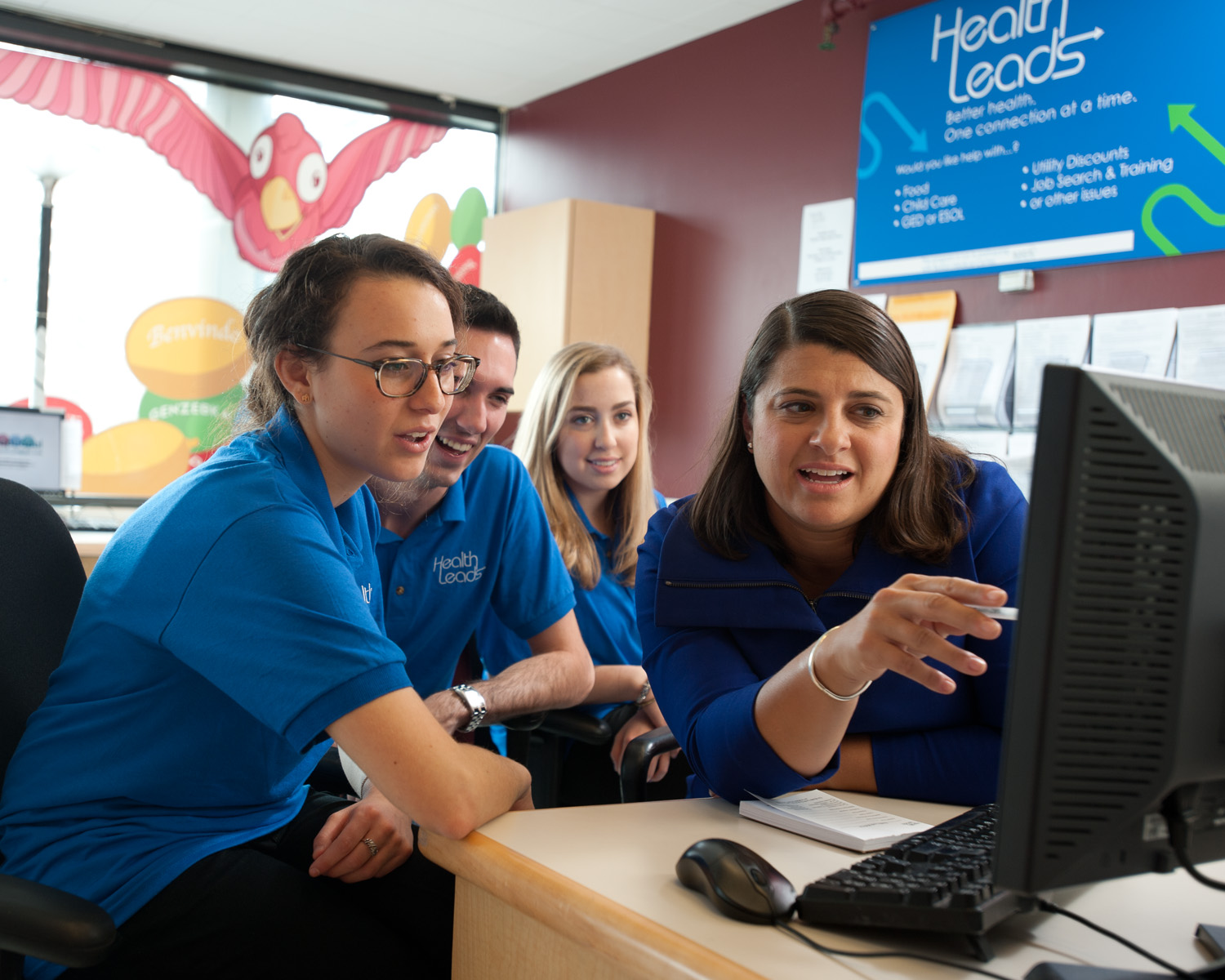
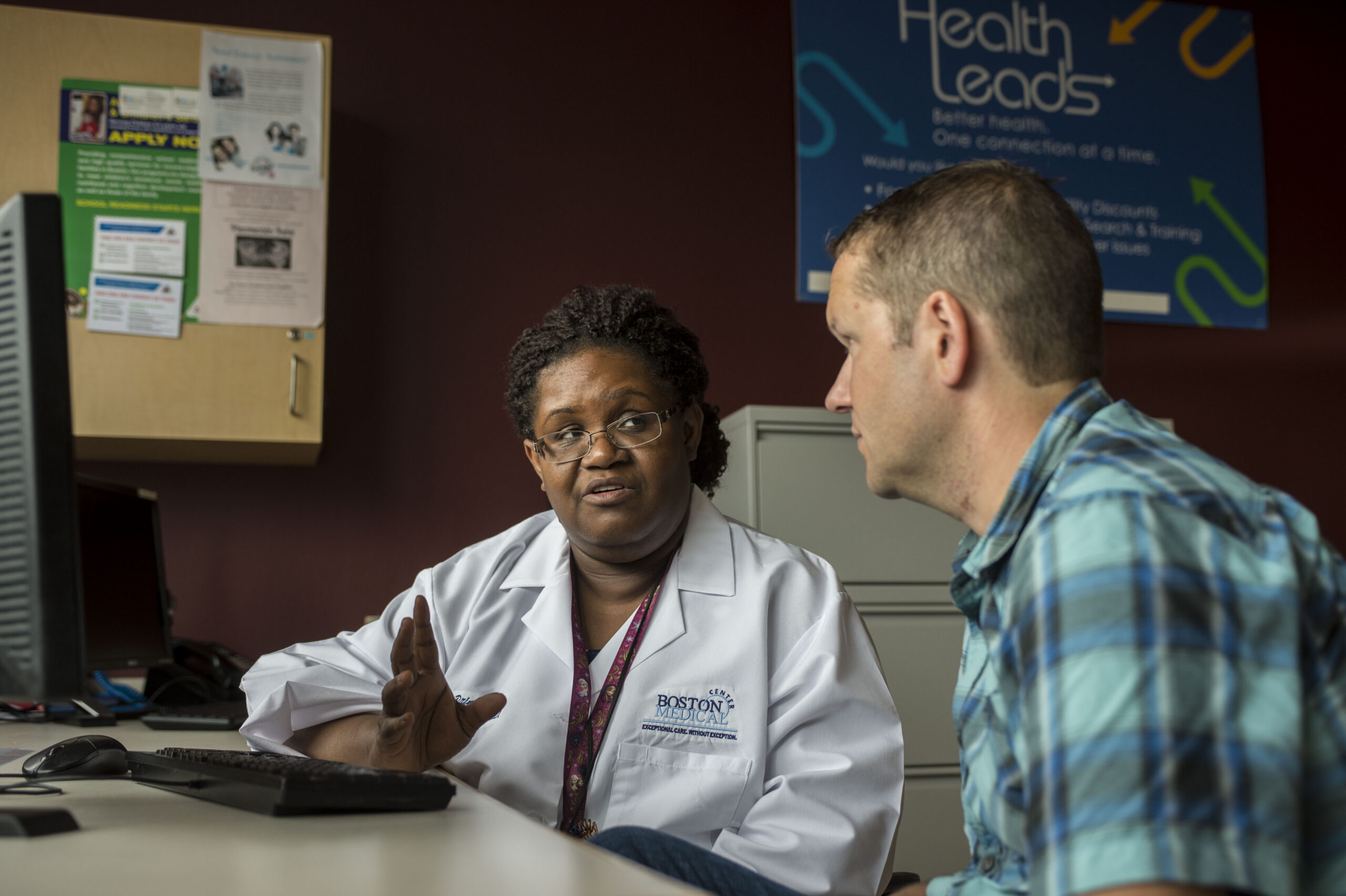
Health Leads started with a simple, radical premise: that a doctor’s prescription for food is just as legitimate as a prescription for medication. In 1996, Rebecca Onie launched Project HEALTH at Boston Medical Center, stationing college student volunteers at hospital “help desks” to connect patients and families with the resources that actually shape health.
From Project HEALTH to Health Leads
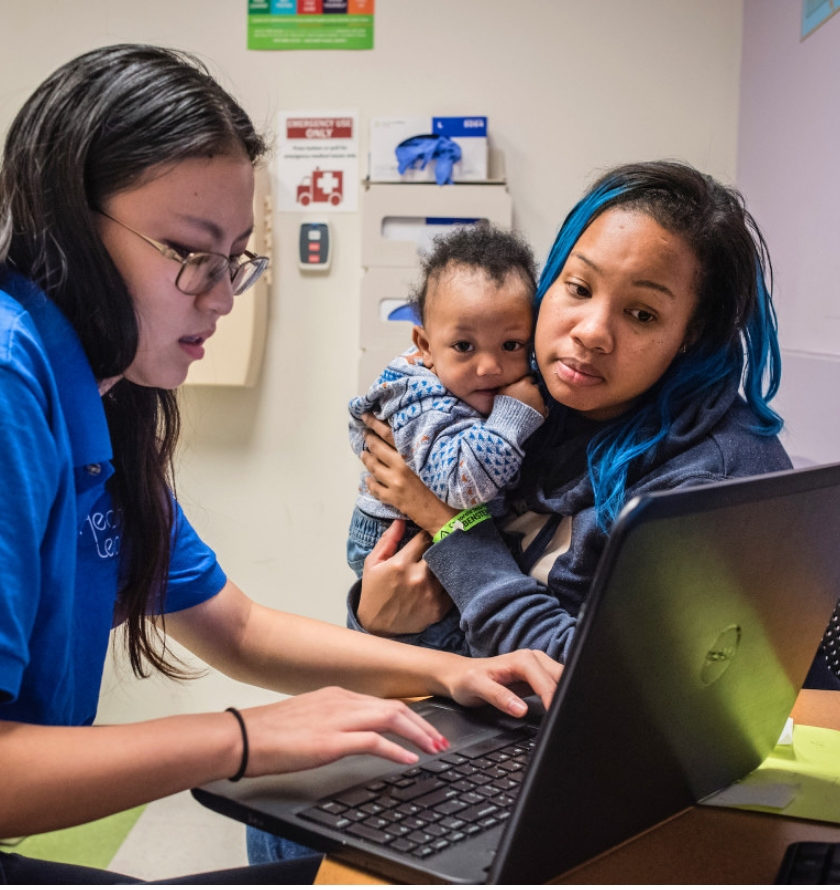
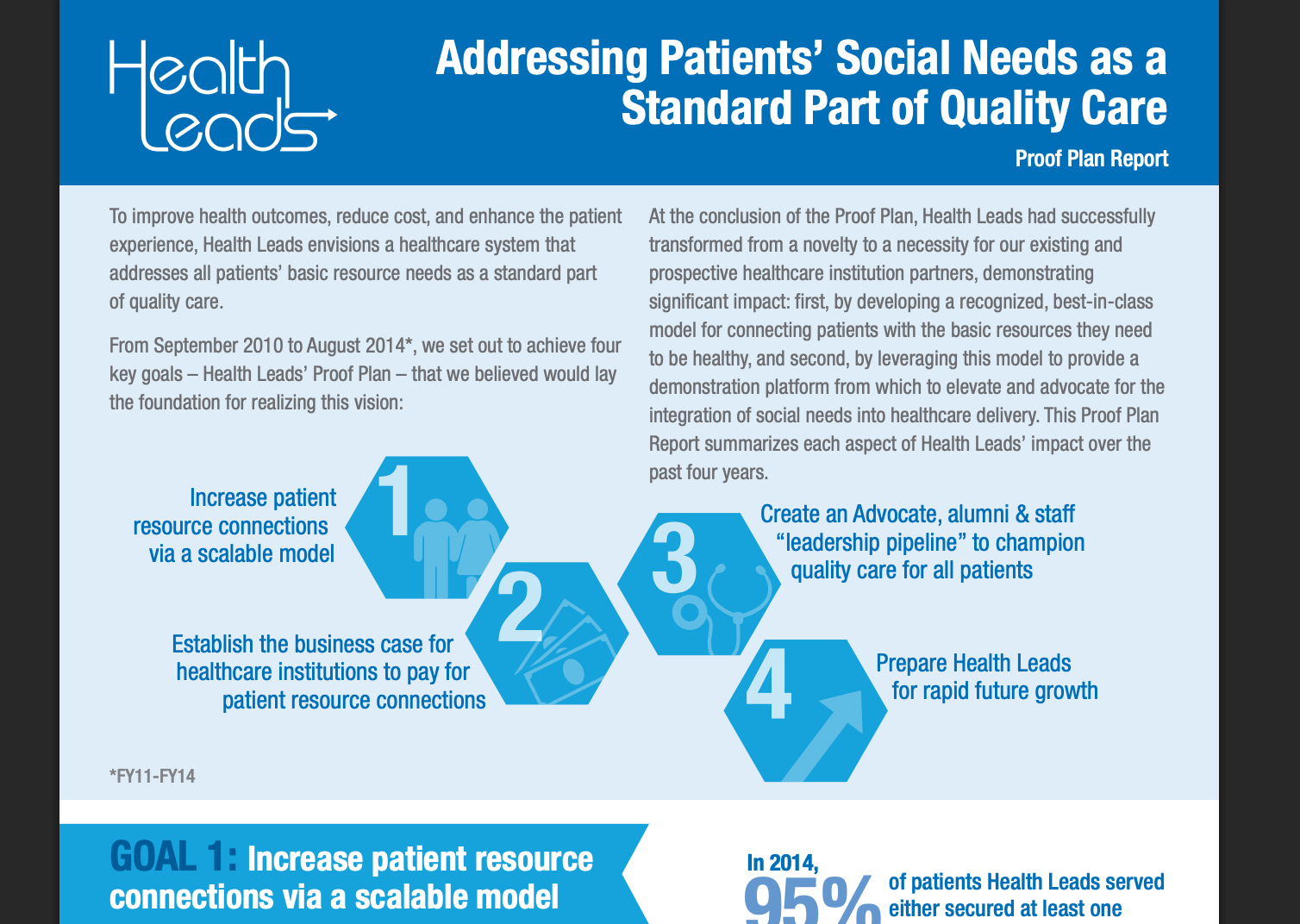
The model showed promise — and also revealed where more testing, evidence and refinement were needed. In 2010, Project HEALTH became Health Leads, launching the Advocate Bootcamp and Health Leads Reach™, one of the earliest social needs software platforms. Over this era, we trained more than 10,000 advocates in health systems and clinics across the country.
Proving the value of social needs care
With the model proven, Health Leads set out to make the business case – demonstrating improved patient outcomes and measurable cost savings for health systems. In 2014, the Robert Wood Johnson Foundation committed $16 million, their largest single-organization grant at the time, to advance Health Leads’ vision. The field was beginning to catch up.
A movement ready for scale
By the end of this phase, more than 4,000 volunteer alumni were spread across the U.S., with 76% of them working in healthcare and 54% working in under-resourced communities. The team fielded over 1,000 requests from 65% of the top-ranked hospitals in the U.S.
Spreading tools, data, and knowledge
Health Leads set out to make addressing social needs a standard part of healthcare, accelerating partnerships with health system leaders to drive integration of essential resource strategies at scale. This phase is defined by spreading tools, data and knowledge across the field, and co-creating resources like the Essential Social Needs Roadmap.
From working in systems to changing them
When CMS introduced the first government-funded, clinic-based social needs interventions in 2016, it validated what Health Leads had been building toward for two decades. But even as the field grew, Health Leads was learning something harder: operating programs wasn’t the same as changing systems.
Centering on racial health equity
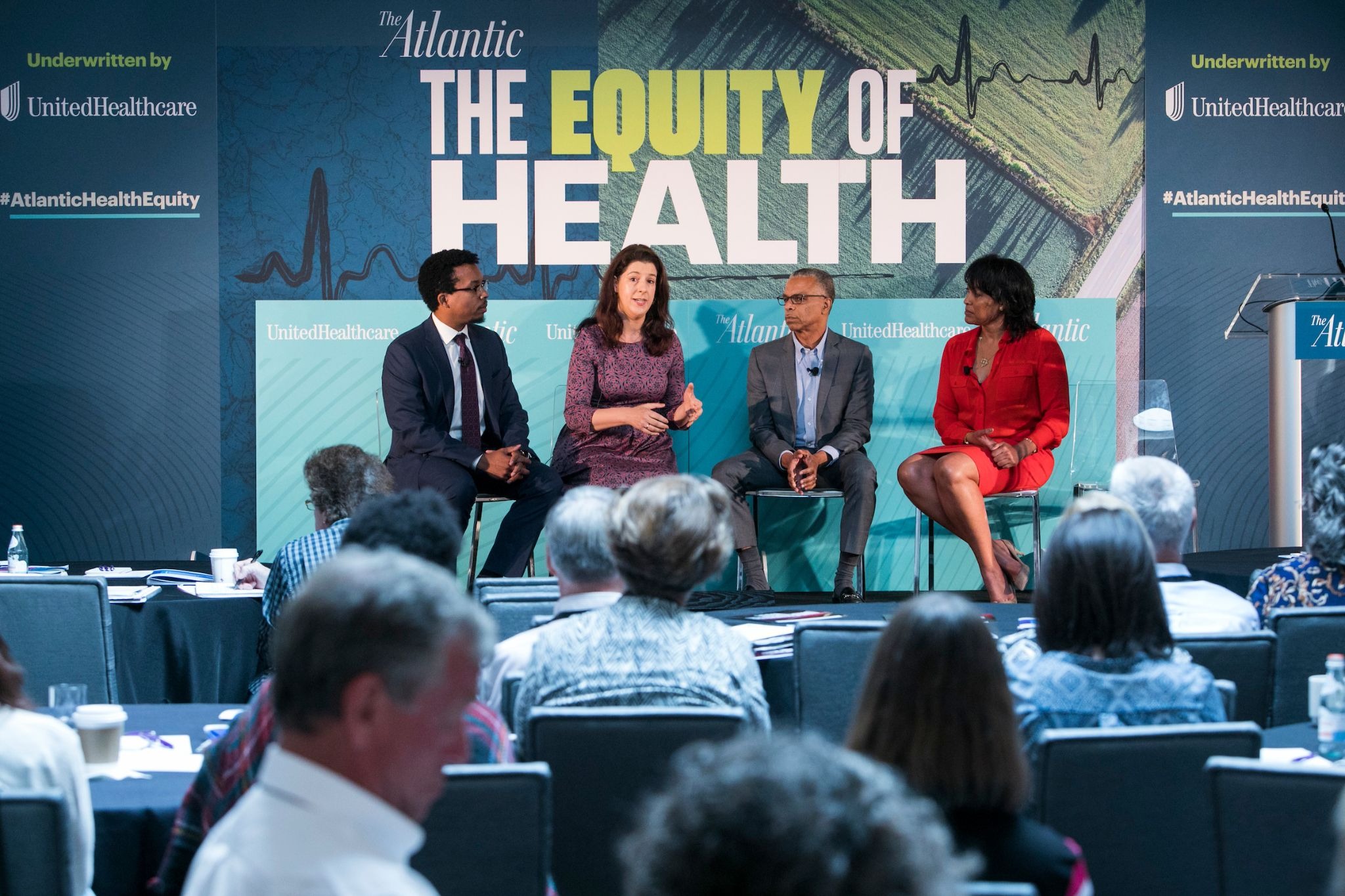
Under the leadership of current CEO Alexandra Quinn, Health Leads made a deliberate choice to evolve, sunsetting its Advocate workforce program and Health Leads Reach™ technology. The new direction: support communities in designing their own locally-owned resource networks, rather than running programs from the outside. Equity moved from implicit to explicit, formally centered in Health Leads’ vision, mission, and values.
Doubling down on community co-design
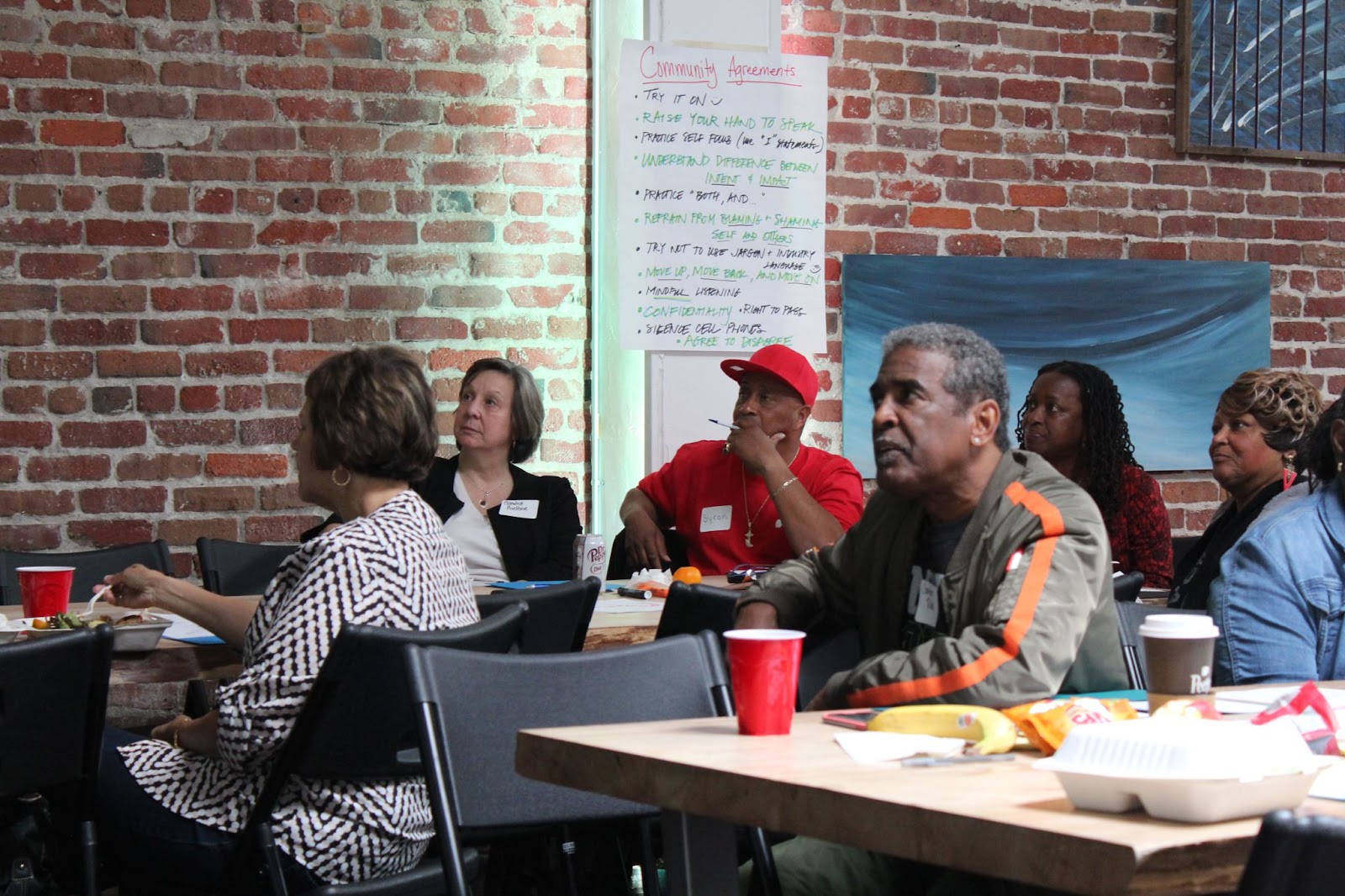
Our work expanded beyond screening and resource navigation in healthcare settings to focus on strengthening the community organizations, trusted workforces, and local systems that address the root causes of poor health. Across primary care, maternal health, housing, and technology, new tests of change grew from long-standing partnerships — all centered on shifting decision-making power to communities.
Responding to crisis
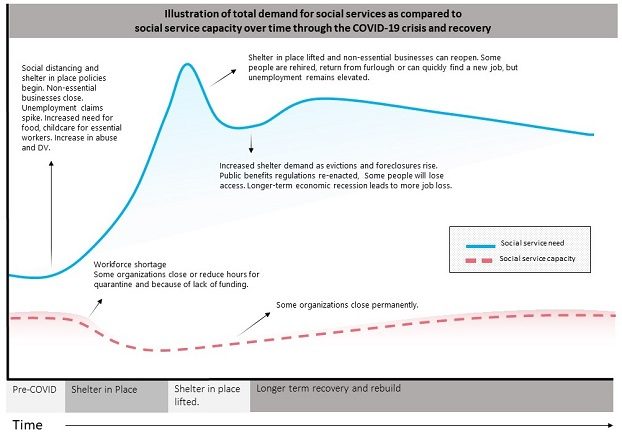
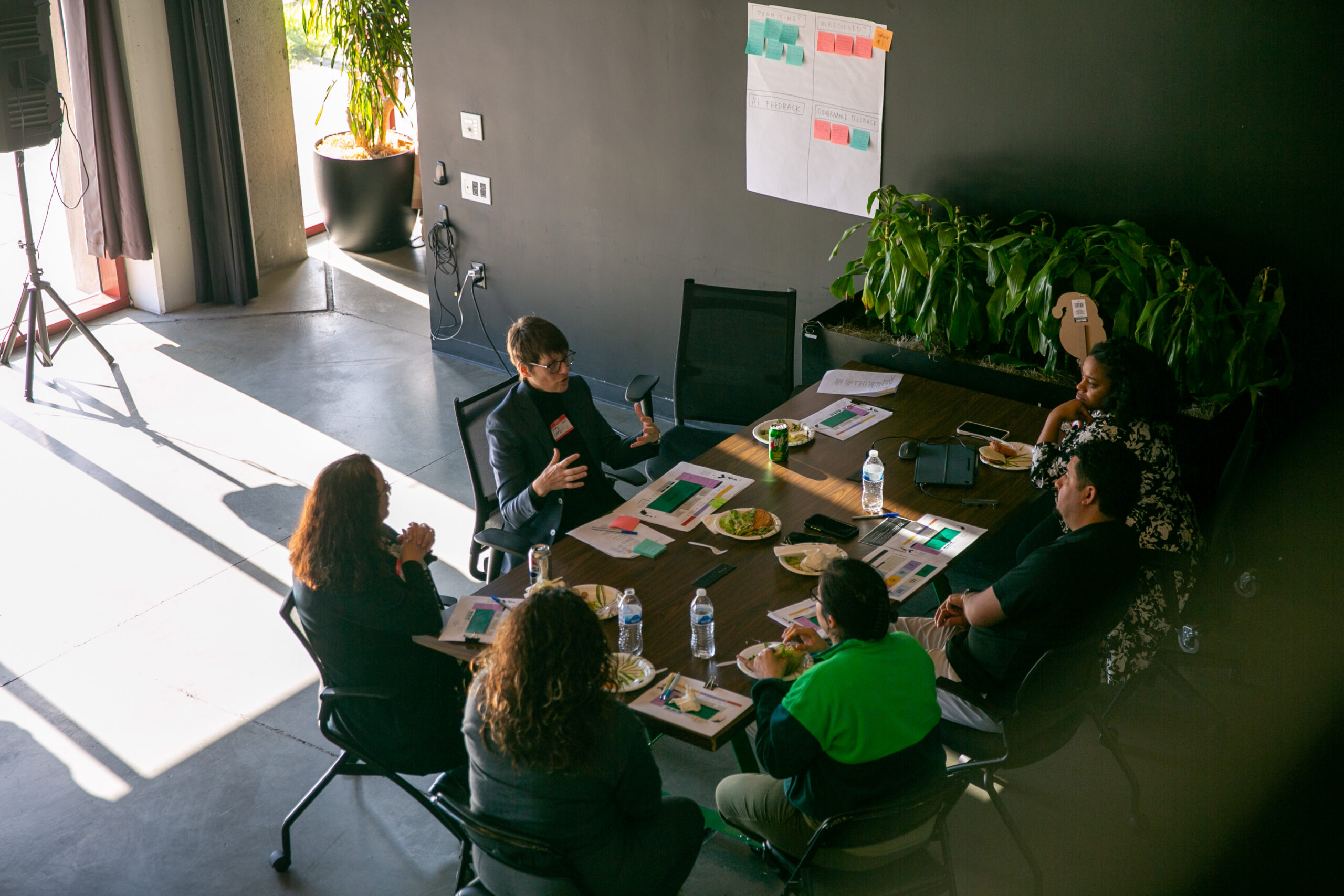
When the pandemic hit, everything Health Leads had learned about community trust, resource gaps, and systemic inequity became urgently, visibly true. With a strategic framework centered on racial health equity and community-led innovation, Health Leads launched the Vaccine Equity Cooperative to ensure community-based workforces had what they needed to not only address immediate health challenges, but the deeper and more complex systemic barriers to health.
Investing in community leadership
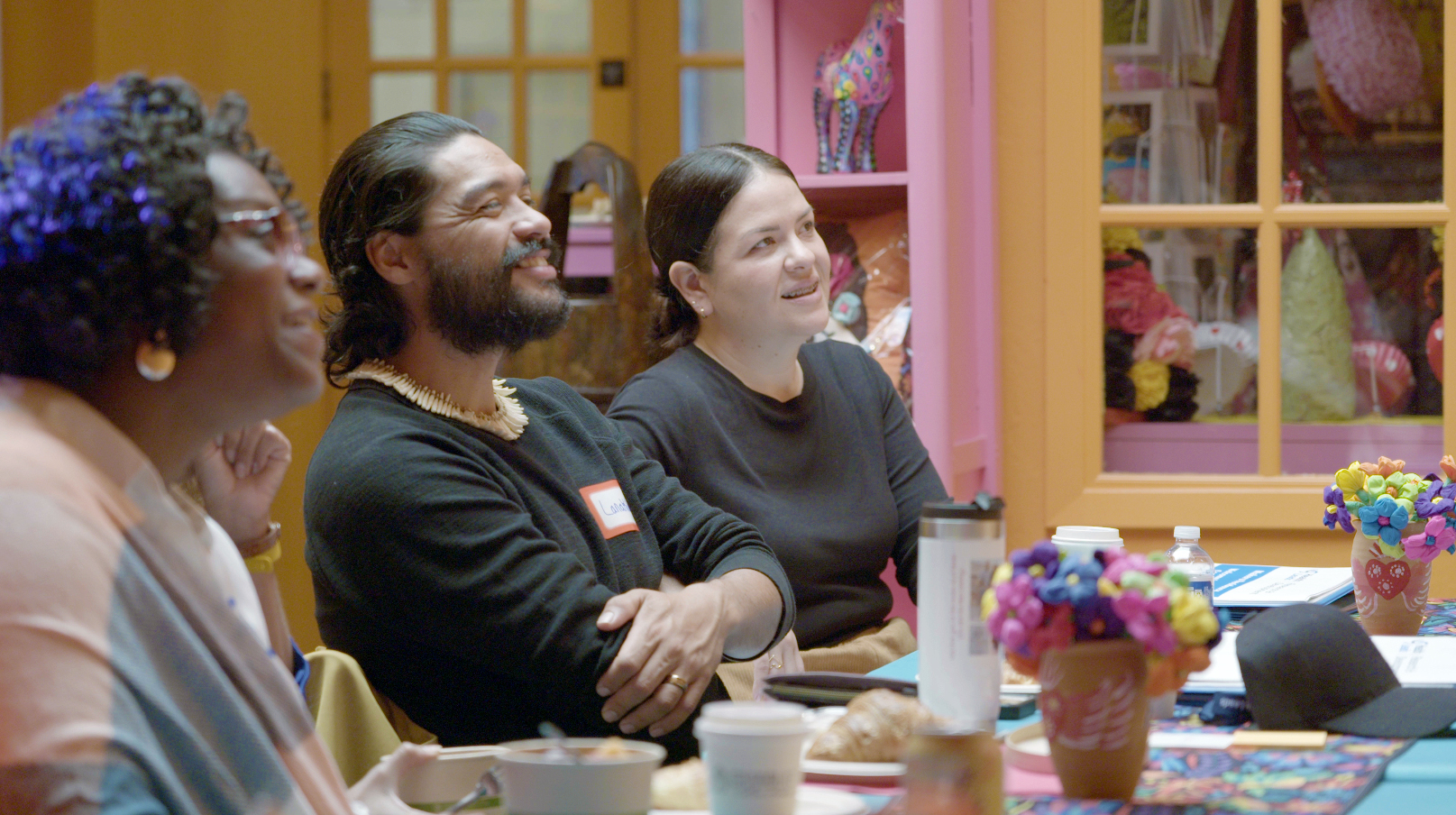
After the pandemic, Health Leads began investing more deeply in community-driven innovation — supporting caregivers, community-based organizations, and local leaders to define the problems that matter most, test new ideas, and shape the systems and tools meant to serve them.
The next chapter
Building on three decades of learning, Health Leads is entering a new chapter and deepening its work alongside caregivers, community leaders, trusted local workforces, and partners across health, public health, policy, and technology — advancing solutions designed by and for the people most impacted by health inequities.
Through it all, one belief has guided us: communities are healthier when the people closest to the challenges have the power and resources to design the solutions.
Learnings & Resources
Core to our mission has been convening community and sharing what we’ve learned from our work — both the successes and the failures — so we can spread what works and move beyond what doesn’t.
So many partners have been integral to bringing these materials to life. Together, these resources reflect the evolution of our work and the lessons we continue to carry forward.

Redesigning Maternal Health Webinar Series
This three-part series highlights the role of doulas in advancing maternal health equity and strengthening doula care nationwide.
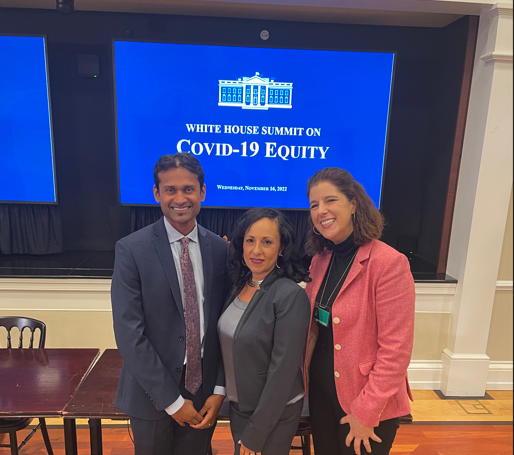
COVID-19 Communication Campaigns for Vaccination
This research article shares insights from Health Leads’ work with community partners to design more trusted, relevant, and effective public health communications during COVID-19 — and points to the critical role community-based workforces must play in future efforts.

Blog Post: How the Boston-based Neighborhood Food Action Collaborative Gets Results
This food work in Boston shows what's possible when residents lead the design and implementation of food access solutions in their own neighborhoods.
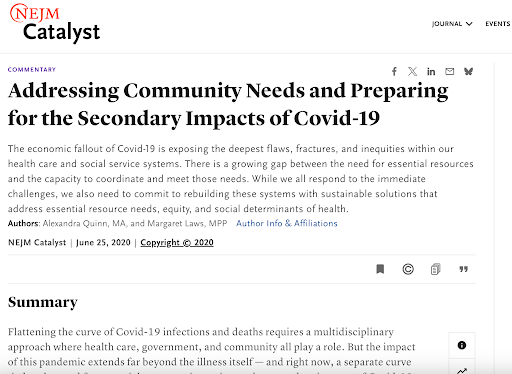
Addressing Community Needs and Preparing for the Secondary Impacts of COVID-19
Published in NEJM Catalyst, this Health Leads piece called for urgent investment in essential resources and community infrastructure to respond not only to COVID-19, but to the deeper social and economic crises the pandemic exposed.

The Work of Generations Continues
Our reflection exploring the unique challenges of this moment and the long-term commitment required to keep advancing racial health equity, justice, and community power.

Beyond Do No Harm: Structural Racism in Tech-Forward SDOH Solutions
Our series called on the field to ensure technology-driven social needs interventions do not reproduce the inequities they are meant to solve.
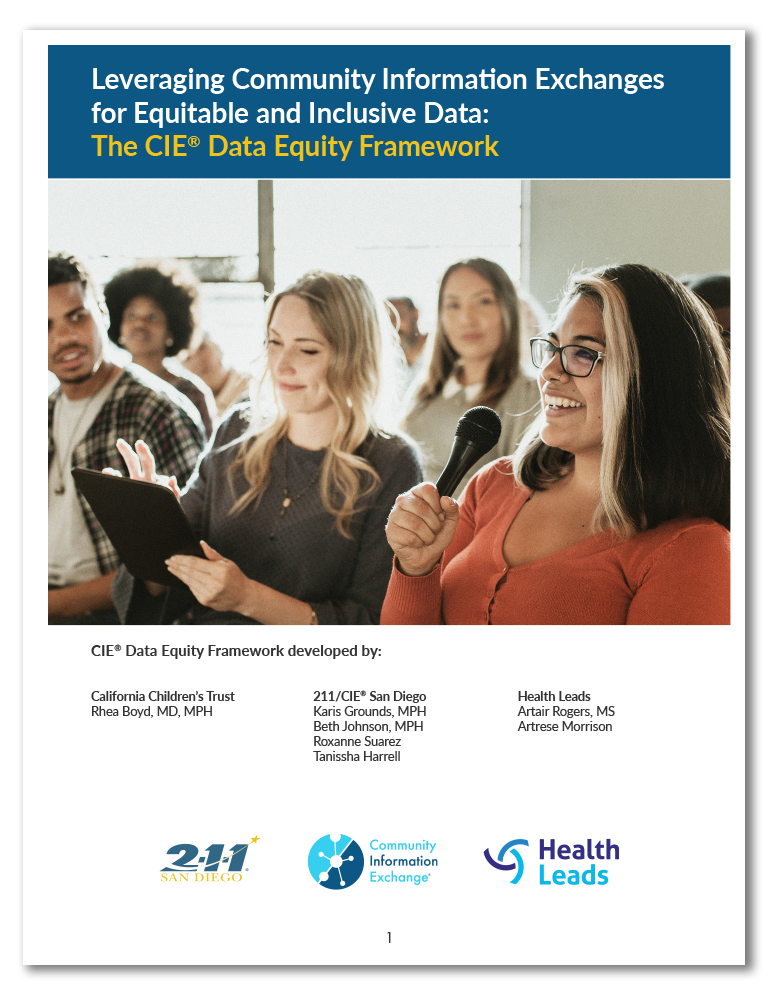
The CIE Data Equity Framework
This framework offers guidance for building community information exchange models that center equity, shared power, transparency, and accountability.

"What Counts" Documentary
This documentary follows Health Leads’ work to reimagine what healthcare can do when it addresses people’s essential needs and measures impact by what communities say matters most.
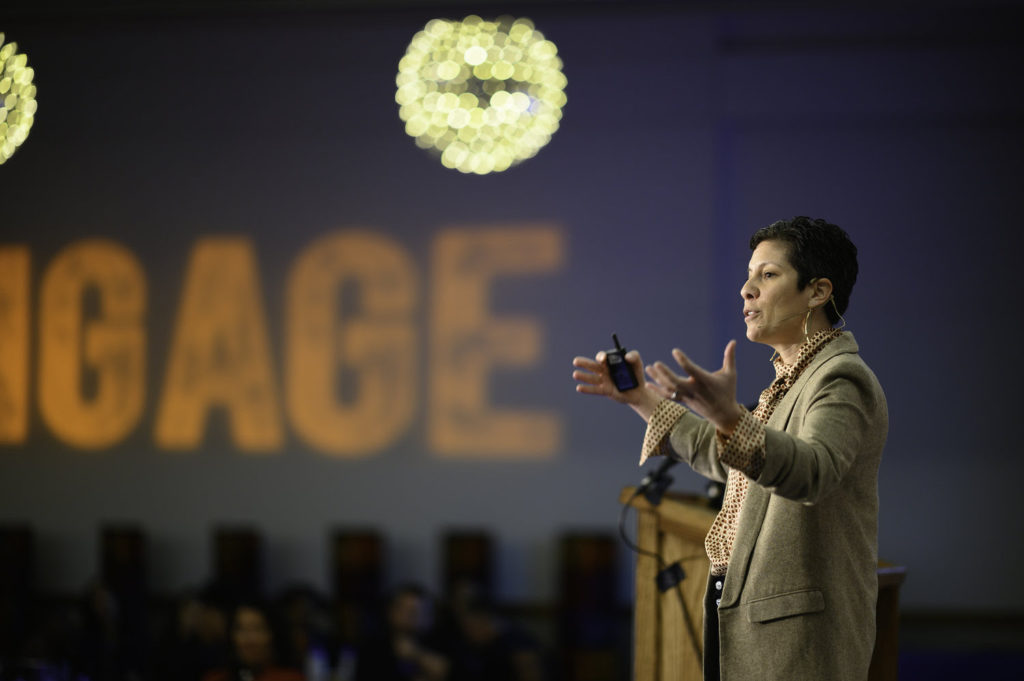
How Your Zip Code Determines Your Health Outcomes
This resource explores how place, policy, and structural inequities shape health long before someone enters a doctor’s office.
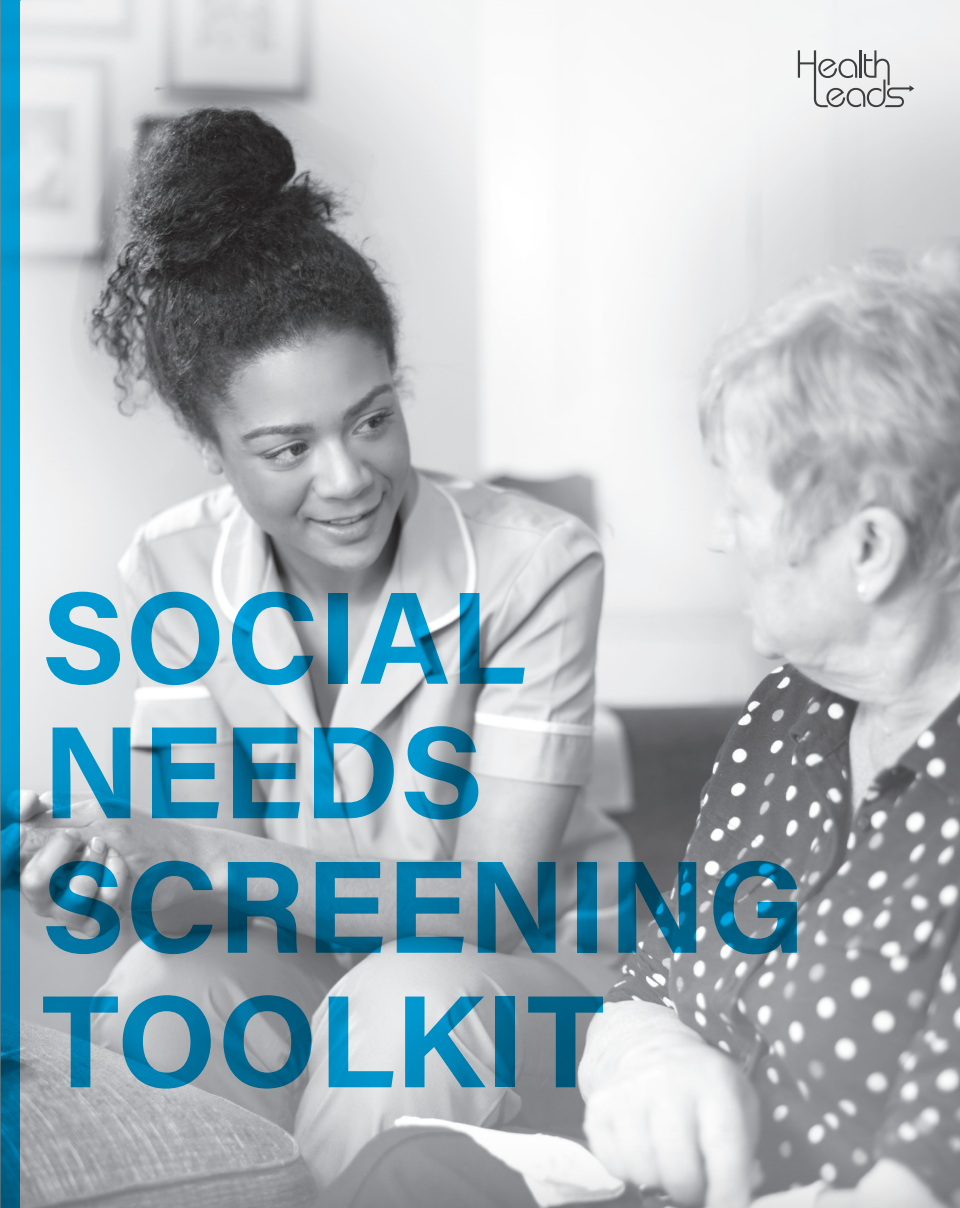
The Health Leads Screening Toolkit
One of Health Leads’ most widely used resources, this toolkit helps healthcare and community partners identify essential resource needs and build stronger pathways to support.
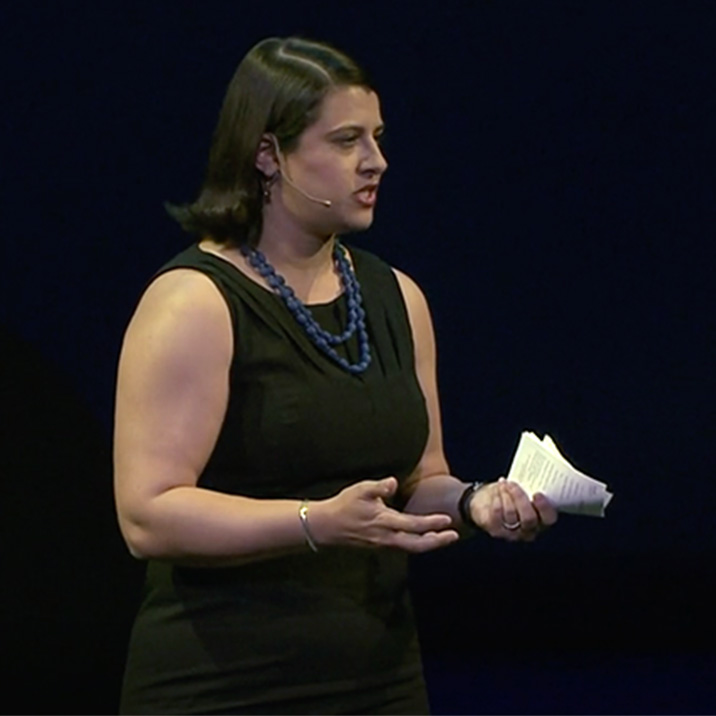
TED Talk: What If Our Healthcare System Kept Us Healthy?
Our founder Rebecca Onie’s TED Talk helped bring national attention to the idea that healthcare must address the essential resources people need to be healthy.
Help Power the Next 30 Years
This anniversary is a celebration of 30 years of innovation, partnership, learning, and community-led change — and an invitation to help shape what comes next.
Our three-year strategic plan builds on our decades of experience investing in the local care workforces and caregivers that are so critical to our health. Through our tested and proven approach to community co-design, our initiatives will focus on the advocacy, financial sustainability, well-being, and integration of this workforce into our systems.
Your gift supports Health Leads as we continue working toward health, well-being, and dignity for every person, in every community.

Reach out to learn more about partnership opportunities
Sylvia Koodrich
Vice President, Business Partnerships & Investor Relations